Although social intolerance has and will always be present in any society, for the EU and neighbouring European countries, it was the 2015 Refugee crisis, hand in hand with the further development of social media-based populism and the continued impacts of the economic crisis 2008, that moved social intolerance, from the outskirts of European society, into a more central position.
But what is social intolerance? And how is it different from tolerance? We aim to make the differences clearer for youth workers and young leaders through this article.
What is social intolerance?
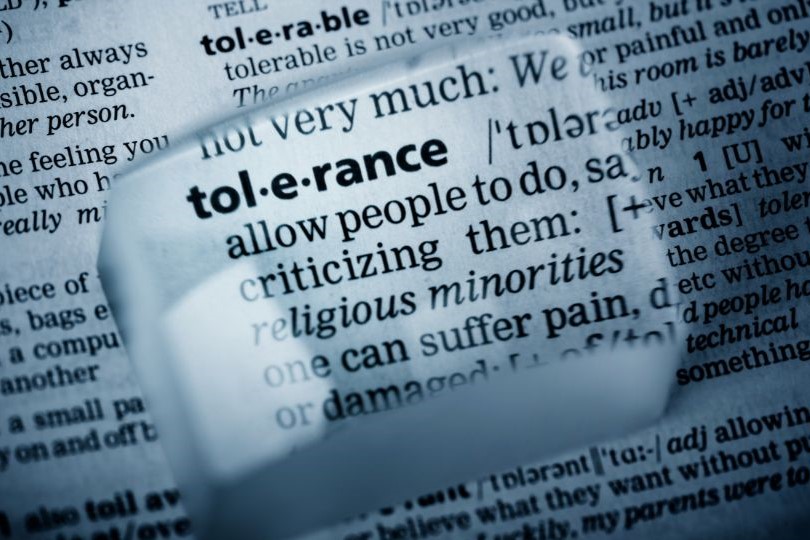
Before assessing what, social intolerance is, it is useful to understand tolerance. Tolerance is accepting something about another person or a situation, in order to get along better (Vogt, 1997: 1.)
And tolerance is only when one person dislikes, disagrees, disapproves of another person (van Doorn, M. (2012) or a situation.
Tolerance is not just about any difference, but differences that people think are really important to them. Less important differences would just fall under the heading of ‘dislike’ (van Doorn, M. (2012).
Social intolerance is the refusal or lack of respect for different beliefs, lifestyles, attitudes or cultures, leading to the rejection of people from different social groups. Whereas social tolerance is the acceptance of “characteristics people have at birth or acquire in early socialization such as skin colour or language” (Vogt, 1997: 17).
In Europe today, examples of social intolerance in our societies include:
- Race & Ethnicity
- Beliefs
- Cultures
- Gender
- Sexuality
- Disabilities
The result of social intolerance is “discrimination, not prejudice” (van Doorn, M. 2012). This difference is often the reason why many people do not accept they are being discriminatory against someone else.
See below some specific examples for guidance:
Race & Ethnicity: obvious race and ethnicity-based social intolerance is generally easy to recognise, it can include referencing how someone looks or lives based on a stereotype. Indicating distrust for someone based on their ethnic background. Examples include: believing all Jewish people are rich; or all Roma people are beggars or cannot be trusted. Or believing that all illegal migrants are from Turkey, Albania or another country. More subtle social intolerance can be harder to identify. It could involve deciding not to interview someone for a job because they have a foreign sounding name or ethnic background.
Beliefs: based social intolerance is based on peoples’ faiths, religion and wider core beliefs systems. One example is assuming all Muslim women are suppressed if they wear a headscarf or believing that the headscarf should not be worn in your country at all. Another example is calling someone a specific name due to their beliefs. A non-faith based example, is calling someone who is pro-climate change policies, ‘a leftie’ or someone with more conservative views ‘a Nazi’.
Cultures: social intolerance in connection to culture can be on any level. Culture is very personal to everyone’s identity. Some obvious cultural-based social intolerance is assuming that someone is a bad person, a thief or a terrorist because of their culture. An example of this is believing that every Arab from the Levant is also a Muslim. This ignores the fact, that a significant number of Christians live in Israel, Palestine, Lebanon and Jordan. Or on a more European-level, believing a negative cultural stereotype and using this to explain why you have a problem with people from this culture i.e. a person’s accent or what they eat.
Gender: based social intolerance is based on someone’s gender. Women and Non-binary communities, as well as wider gender-based intersectional groups experience a great deal of social intolerance and discrimination and remains very common in Europe. It can also affect Men too. Examples include, someone not receiving a job promotion based on their gender or whether they have children. Or a person receiving abuse because they indicate a preferred pronoun.
Sexuality: based social intolerance is connected to someone sexual preference, that especially does not confirm to society’s expectation, i.e. LGBTQ+ communities. An example is calling someone a derogatory name because of their sexuality or making assumptions about someone based on how they dress.
Disabilities: social intolerance in relation to someone disabilities includes passing judgement on someone based on their disability, a specific example could be getting frustrated by a person because their situation is preventing you from reaching your destination. Or believing someone has a disability because they are cursed or a bad person or simply that because of their disability, they can not contribute.
Social intolerance can take other forms as well, and is not restricted to these 6 examples. It can be based on anything. It can be very irrational and a social intolerant person may not even be able to explain the origins of their social intolerance.
Social intolerance can be is a stepping stone towards more aggressive forms of intolerance, hate speech and hate-related violence, especially when society is under pressure or when even your own life is not going to plan. Blame culture is an easy solution for society’s woes.
However, recognising it, whether within yourself or even amongst your students or young people is an opportunity to build dialogue and resolve social intolerance.
Youth and social intolerance
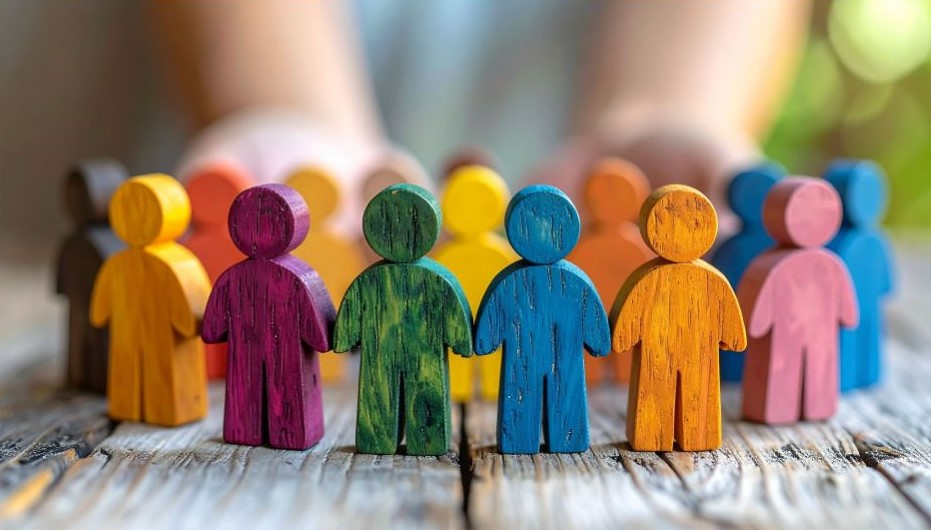
Young people in Europe, should be encouraged to have their own views, enjoy freedom of speech and participate in their democracy in every way possible.
However, more work is required by civil society, youth organisations and educational bodies to promote awareness between what is social tolerance and what is social intolerance and what is simply a dislike, as well as what is discrimination.
It is important that we in turn, we do not become intolerant towards young people’s views and ideas in our work, while trying to prevent the rising tide of social intolerance. Rather, we should listen, try and understand their viewpoint and most importantly, build dialogue. We can also increase awareness through education, youth democracy projects and peacebuilding for development activities.
The Youth for Coexistence programme aims to support youth workers, young leaders and wider educational and civil society organisations to achieve this through a specific coexistence curriculum and a peacebuilding and democracy toolbox, as well as a network for professional to connect and share their experiences and best practices.
Connect with us
The Erasmus+ Youth for Coexistence programme aims to address social intolerance in Europe through developing the skills of youth workers, young leaders and wider educationalists throughout Europe (and beyond) in coexistence methodologies.
However, we cannot do this alone. As part of this programme, a new network for the youth and sector, as well as for the wider civic society will be established. And although this is still early days for our programme, we invite all young people, youth workers, educationalists and other members of civic society interested in this agenda, to connect and work with us.
References
- van Doorn, M. (2012). Tolerance. Sociopedia.isa. Website link: http://www.sagepub.net/isa/admin/viewPDF.aspx?&art=Tolerance.pdf [accessed on 20. Nov. 2025]
- Vogt WP (1997) Tolerance & Education. Learning to Live with Diversity and Difference. Thousand Oaks, London, New Delhi: Sage.