In modern society, where information spreads faster than ever before, hate speech represents one of the most serious threats to peace, security, and human dignity. The United Nations, recognizing the growing influence of this problem, declared June 18 the International Day against Hate Speech in 2022.
This day aims to raise awareness of the harmful consequences of hate speech in all its forms, both online and in everyday communication, and to encourage joint efforts among governments, institutions, and individuals to combat it. The fight against hate speech is not only a legal and political issue, but also a social responsibility that requires education, empathy, and active advocacy for a culture of dialogue and respect.
Everyone has a moral duty to speak out against and counteract the scourge of hate speech. In this effort, crucial roles can be played by UN member states, the private sector, media and digital corporations, faith leaders, educators, civil society actors, victims of hate speech, and young people.
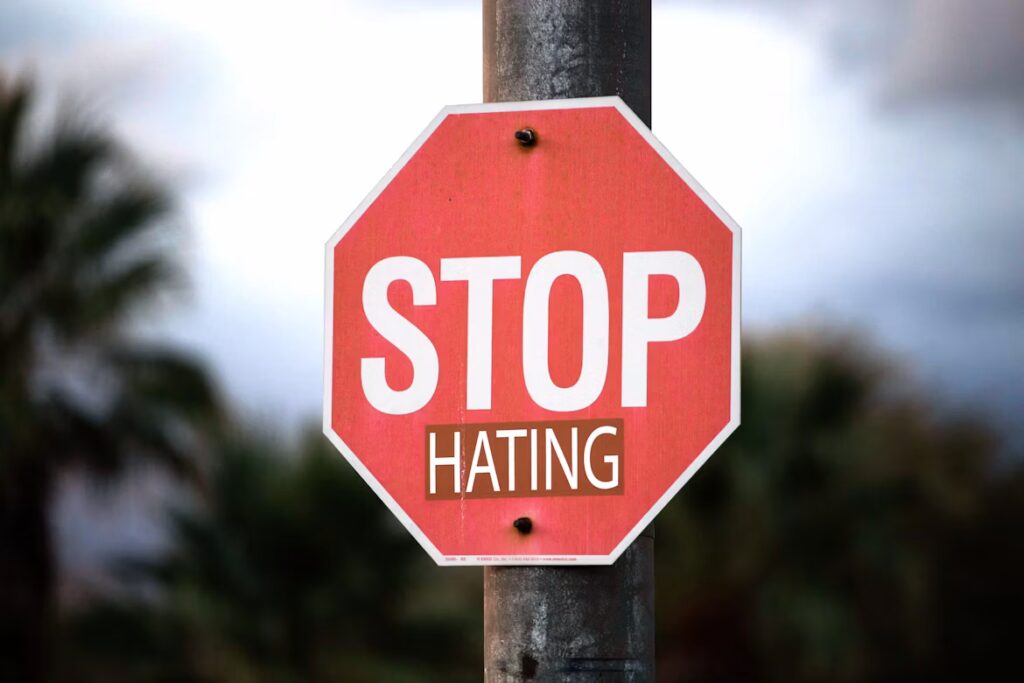
Hate speech is nothing new, but due to the anonymity and viral nature of emerging digital communication platforms, it is now spreading faster and further. These new spaces for hate speech open the door to even more devastating consequences, including increased discrimination, hostile environments, and inciting violence and hate crimes.
The aim of marking this day is to promote tolerance, mutual respect, and freedom of expression—so long as this expression does not incite violence, hatred, or discrimination. It also calls for strengthening education about the dangers of hate speech, improving legislation, and developing mechanisms to effectively counter and suppress hateful rhetoric without jeopardizing freedom of expression.
Research by international organizations shows that hate speech is on the rise in the digital age, primarily due to the speed of information dissemination and anonymity online. The European Union Agency for Fundamental Rights points out that members of minority groups, including migrants, ethnic and religious communities, and LGBTQ+ people, are particularly vulnerable to discrimination and insults in digital space. At the same time, a significant number of cases remain unreported, which means that the real extent of the problem is probably much higher than official data (FRA, 2025).
In Bosnia and Herzegovina, as in other countries of the Western Balkans, data on hate speech is fragmented. However, reports by the OSCE indicate that it is most often associated with ethnic and political tensions, especially in the online space and during election periods. Similar trends are also present in other European countries such as Hungary, Spain, and Portugal, where hate speech is increasingly appearing in political discourse and on social networks, often directed at migrants, minorities, and vulnerable groups. In Hungary, for instance, on the eve of the 2026 elections, there was growing concern about the rise of hate speech and pressure on the media. According to an analysis by Deutsche Welle (DW, 2025), political discourse became increasingly virulent and polarizing, with political opponents and critical media often portrayed as “enemies” or threats to the state.
Through the Youth for Coexistence project, we strive to empower young people to recognize hate speech, but also to ensure they do not become its creators. By fostering awareness, critical thinking, and mutual respect, the project encourages youth to take an active role in building inclusive and peaceful communities, where dialogue replaces division and understanding replaces intolerance.